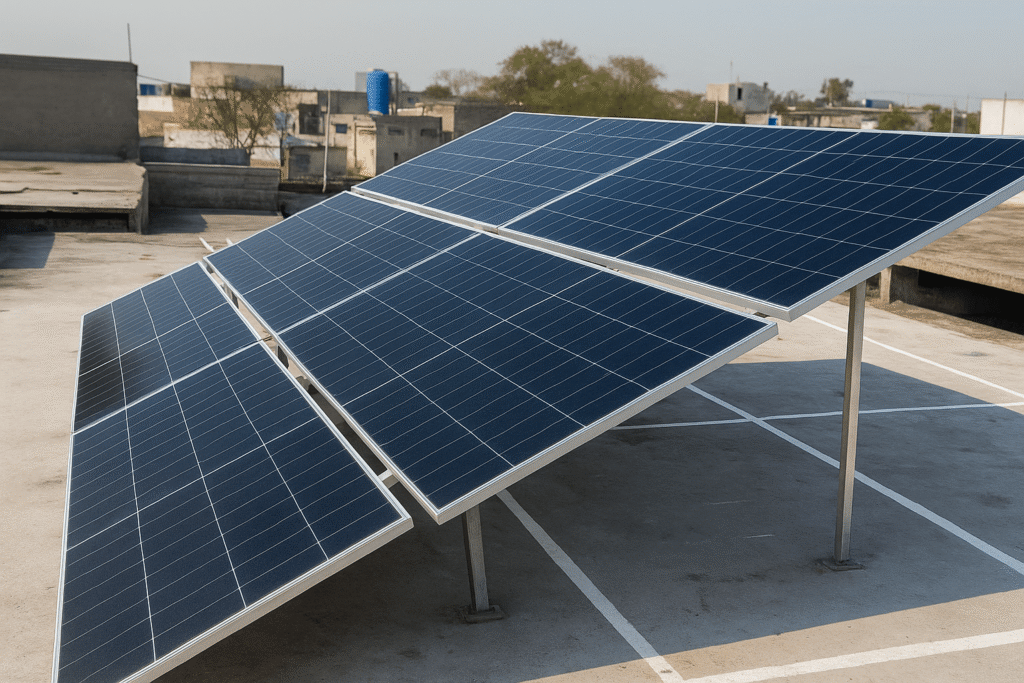
Pakistan’s adoption of rooftop solar is accelerating so rapidly that major industrial cities—including Lahore, Faisalabad, and Sialkot—are expected to see daytime electricity demand fall to zero or even turn negative next year, according to Climate Change Secretary Aisha Moriani at the COP30 conference in Brazil. Negative demand occurs when rooftop solar fully replaces or exceeds the need for grid electricity. Pakistan has become the world’s third-largest importer of solar panels as households and businesses turn to solar amid high tariffs and frequent outages. While this shift reduces pressure on the grid, it is creating financial challenges for power utilities whose revenues depend on consumption. The government plans new tariff structures for large solar users to maintain grid sustainability. The solar surge has also prompted Pakistan to renegotiate LNG contracts to align imports with reduced demand.