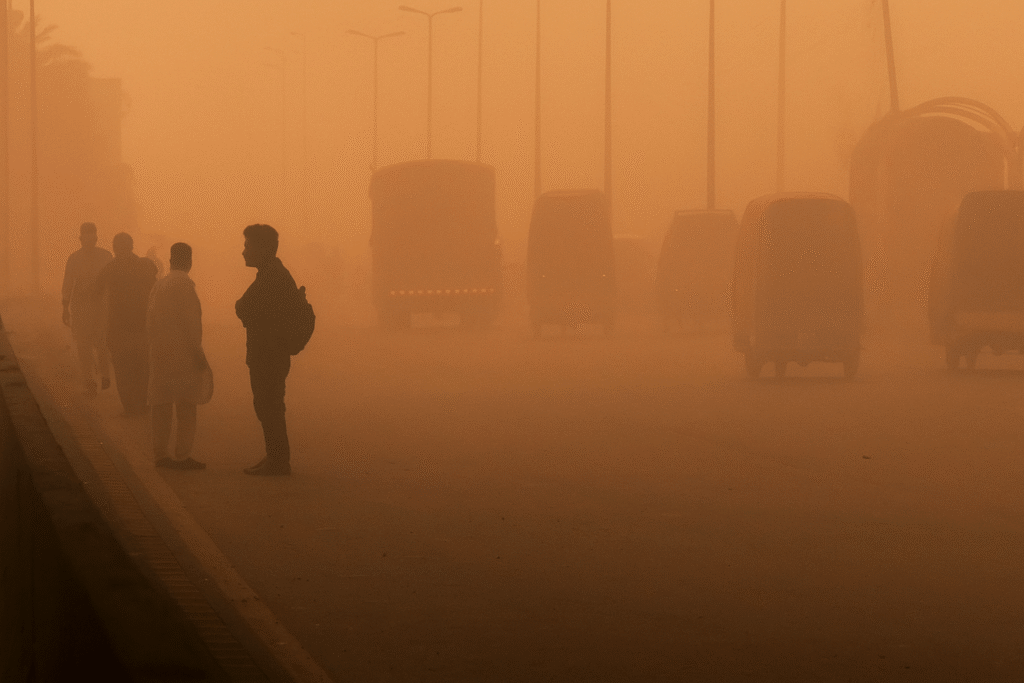
The National Institute of Health (NIH) has warned that Punjab may experience a sharp rise in respiratory and heart-related illnesses as heavy smog persists from now through February. Toxic pollutants mixed with cold temperatures are expected to affect children, the elderly, and people with existing health conditions. According to NIH, smog increases risks of pneumonia, breathing difficulties, cardiac complications, and exposure to hazardous particles. Major cities at high risk include Lahore, Multan, Gujranwala, Rawalpindi, and Islamabad — with Lahore identified as the most polluted and needing urgent precautions. The advisory urges hospitals, local authorities, and environmental agencies to take immediate action. Citizens are advised to limit outdoor exposure, especially children, and use protective masks to reduce health risks during the severe smog season.