
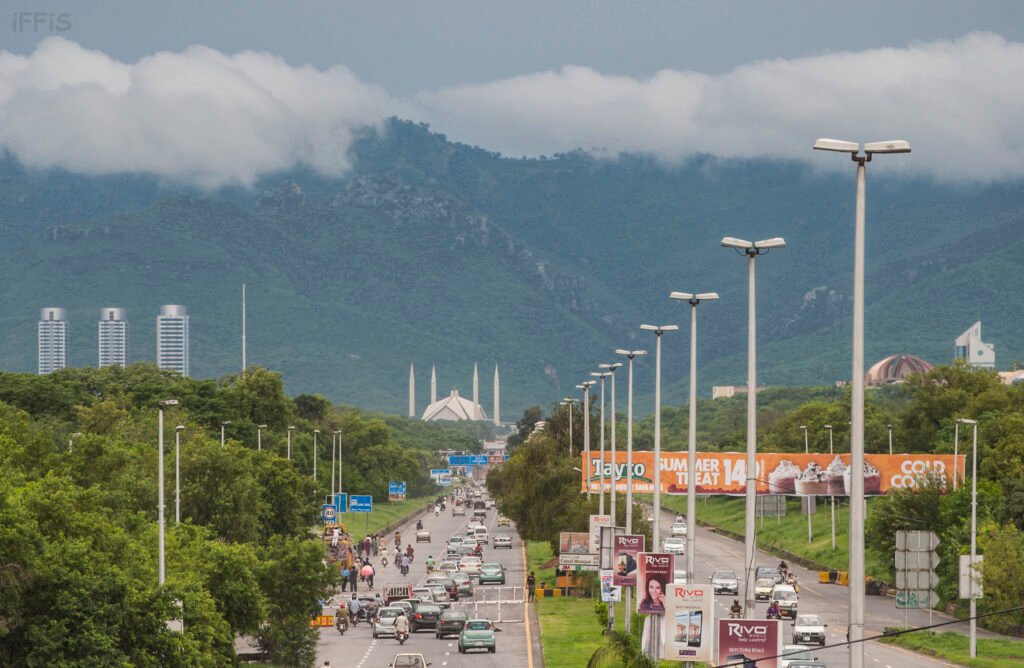
A newly introduced Local Government Ordinance for Islamabad has triggered serious debate over democratic process, governance, and administrative control. The ordinance restructures the capital’s local government system by replacing the metropolitan framework with newly created towns, introducing mayors, deputy mayors, and nominated administrators, while keeping key planning and infrastructure powers with the Capital Development Authority. Critics argue the changes undermine transparency by altering the electoral structure mid-process, limiting local authority, and allowing repeated administrative control through appointed administrators. The move comes as local government elections, delayed for nearly five years, were nearing critical stages. Observers warn the ordinance may weaken grassroots democracy, raise constitutional concerns, and further centralize control, contradicting broader calls for empowered local governments across Pakistan.