IMD has built visibility through multi-city, phased community development and a portfolio anchored in the Dream Gardens brand, supported by recurring market activity and project launches. Independent rating commentary also references IMD as having an established track record of delivering large-scale residential schemes (including Dream Gardens Lahore Phase I & II), reinforcing its positioning as an execution-focused private developer within Pakistan’s planned-housing segment.
RDLPK is presented as HRL Group’s dedicated platform for planned housing schemes and gated community development, scaling from an initial housing project in Multan (Royal Orchard) into multi-city project ambitions. The firm’s public profile highlights an execution model built on HRL’s established construction capacity, with a focus on infrastructure-led development (roads, utilities, community amenities) and phased community delivery across its “Royal Orchard” portfolio.
In real estate, Vision Group is positioned as a large-scale community and vertical development player with a portfolio spanning Lahore, Islamabad, and Karachi, and a market identity strongly linked to the Park View projects. Independent institutional documentation highlights the Group’s multi-project execution history and long-run sector presence, while public-facing project branding emphasizes planned infrastructure, community amenities, and premium/upper-mid residential living.
Zameen Developments has positioned itself as a premium, design-forward vertical developer, with projects spanning key urban nodes in Lahore and other major cities. Its portfolio visibility is supported by Zameen.com’s ecosystem, while its developments emphasize modern architecture, amenity-rich living, and investment-grade commercial inventory.
From a client’s perspective, his profile aligns with delivery-led leadership: planning and design are framed as the foundation, while execution, coordination, and quality controls carry through to completion under a single organizational umbrella. Zee Brothers’ published service structure and team capability statement (urban planners, engineers, landscape, 3D visualization, environmental expertise) indicates a setup that can manage both approvals-facing planning workflows and construction-stage implementation, which is typically critical for timelines, budget discipline, and consistent project outcomes. Their public messaging also highlights a capacity-building mindset through training and development of younger architects and engineers, supporting longer-term technical continuity.
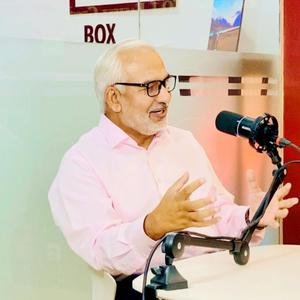
He is a direct and established contributor to real estate education, actively conducting professional training programs for individuals, startups, and institutions across Pakistan. His education-driven approach integrates sales psychology, technology, and global best practices, positioning him as a trainer-cum-consultant rather than a conventional broker.
His positioning aligns directly with real estate training, with emphasis on “how-things-work” learning: documentation, regulatory understanding (e.g., NOCs/approvals), and practical market procedures. His training footprint is visible via PIBSAT’s classes/videos, student testimonials, and topic-based lectures that resemble a curriculum-driven approach.
He plays a direct role in real estate training by mentoring individuals on sales psychology, marketing strategies, and professional development within the property sector. His education model is practical, motivational, and performance-oriented, aimed at building confident and capable real estate professionals.
He is widely respected for introducing disciplined modernism and structural clarity in Pakistan at a time when such design thinking was rare. Habib Fida Ali is regarded as a mentor figure whose work continues to influence generations of Pakistani architects and urban designers.