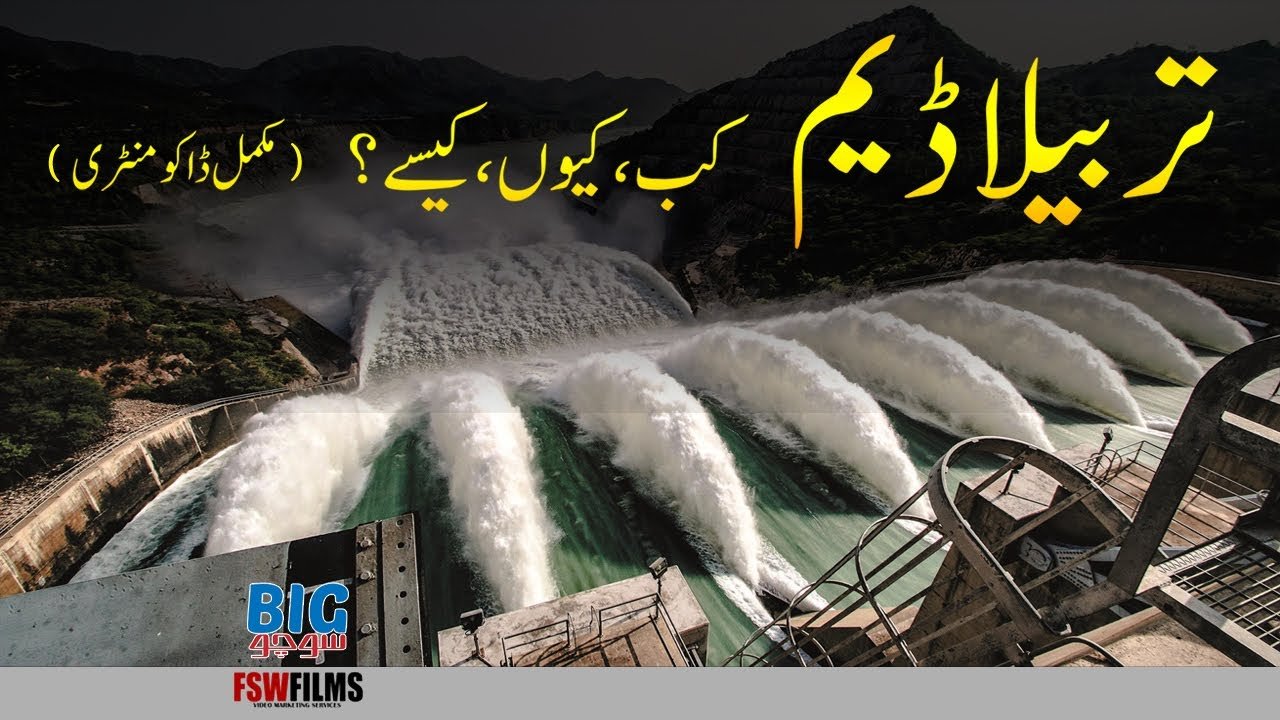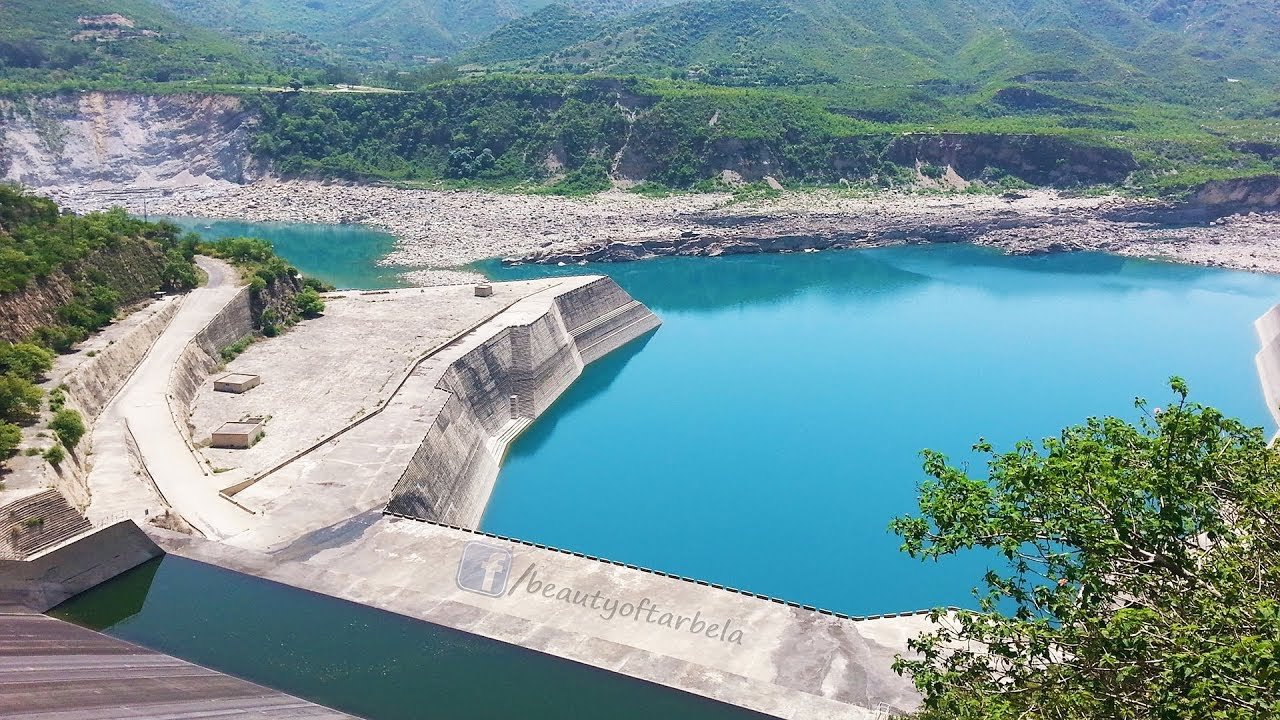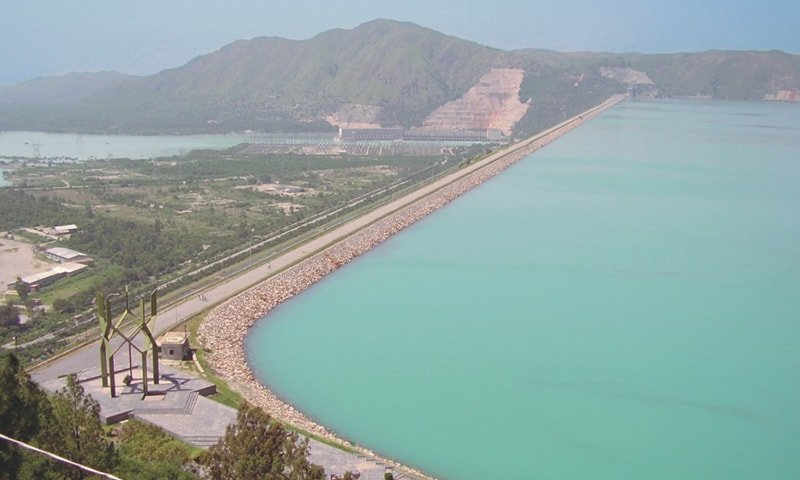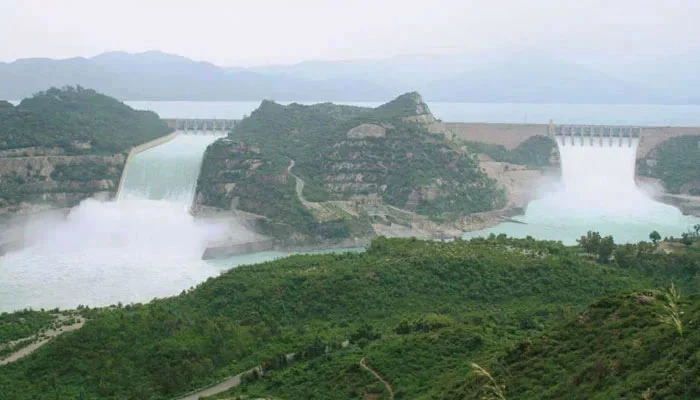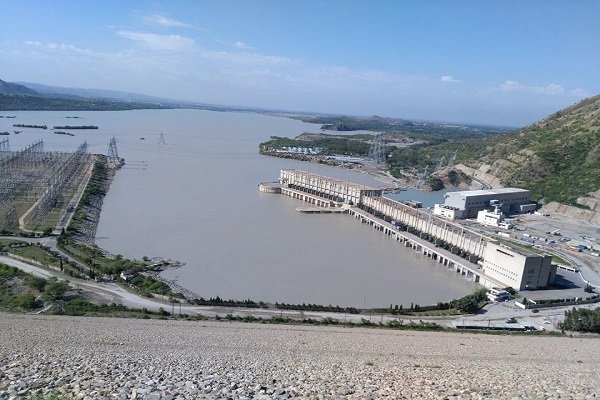
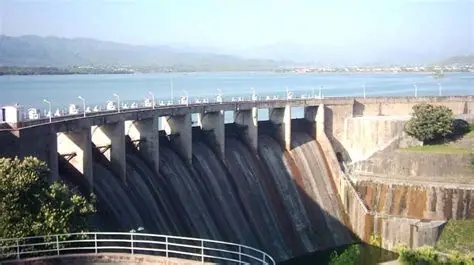
Tarbela Dam is one of the world’s largest earth and rock filled dams and Pakistan’s most significant water resource development project. Completed in 1976 as part of the Indus Basin Project, the dam is located on the Indus River in District Swabi, Khyber Pakhtunkhwa, approximately one hundred thirty kilometers northwest of Islamabad. The project was executed by WAPDA on behalf of the Government of Pakistan under the Indus Waters Treaty framework with support from the World Bank.
The dam was constructed in three stages to safely divert the Indus River during construction. The project involved excavation of diversion channels, construction of diversion tunnels and completion of the main embankment dam across the river valley. The main dam is a zoned embankment structure with an impervious core, protective filters and an upstream blanket to control seepage. The reservoir created by the dam extends approximately eighty-one kilometers and has a design live storage capacity of about nine point six eight-million-acre feet, playing a vital role in irrigation water supply and flood regulation.