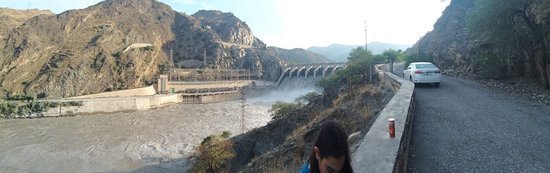

Warsak Dam is a historic hydropower and irrigation project located on the River Kabul at a distance of about 30 km from Peshawar in District Peshawar, Khyber Pakhtunkhwa. The project stands as a symbol of long-standing cooperation between Canada and Pakistan and was completed under the Colombo Plan with financial assistance from the Canadian Government. It plays an important role in supporting electricity generation and irrigation in the region.
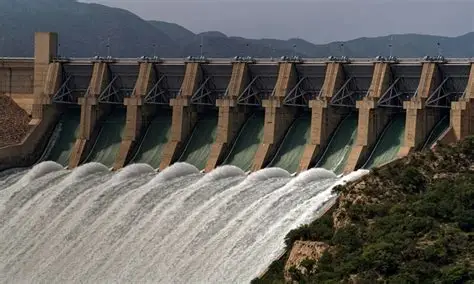
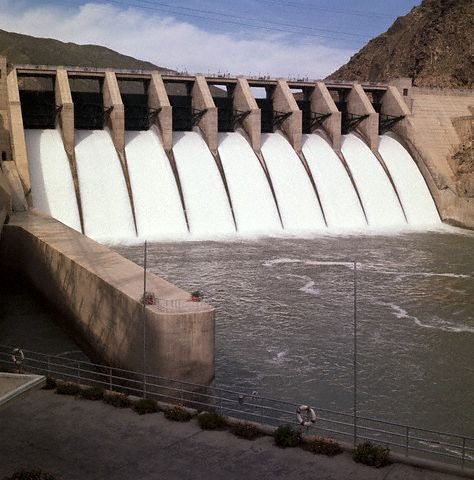
Warsak Dam is a mass concrete gravity dam with an integral spillway, power tunnel and powerhouse. The dam has a height of 250 ft and a length of 460 ft, creating a reservoir with an area of 4 sq miles and a live storage capacity of 25,300 acre feet. The stored water supports irrigation of about 119,000 acres of agricultural land. The project includes a 10 ft diameter concrete lined irrigation conduit on the right bank and a 3 ft diameter steel pipe irrigation conduit on the left bank. The spillway consists of 9 gates with a discharge capacity of 540,000 cusecs, enabling safe passage of flood flows.