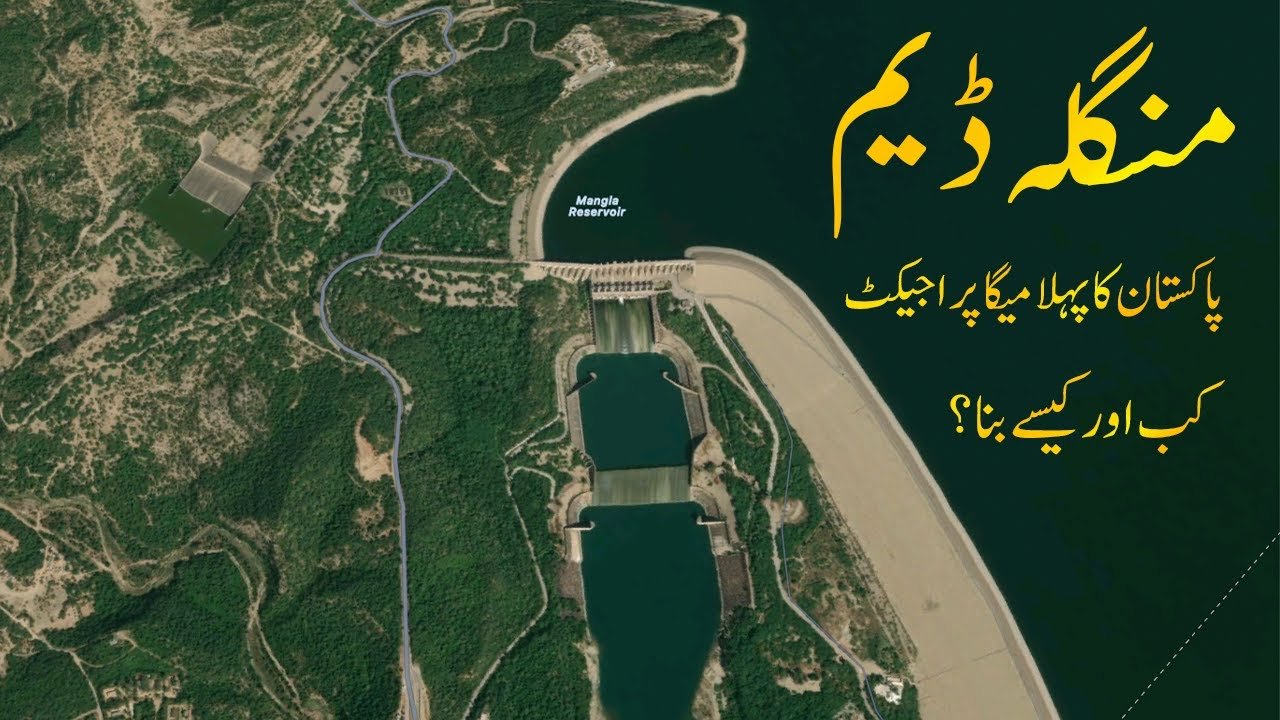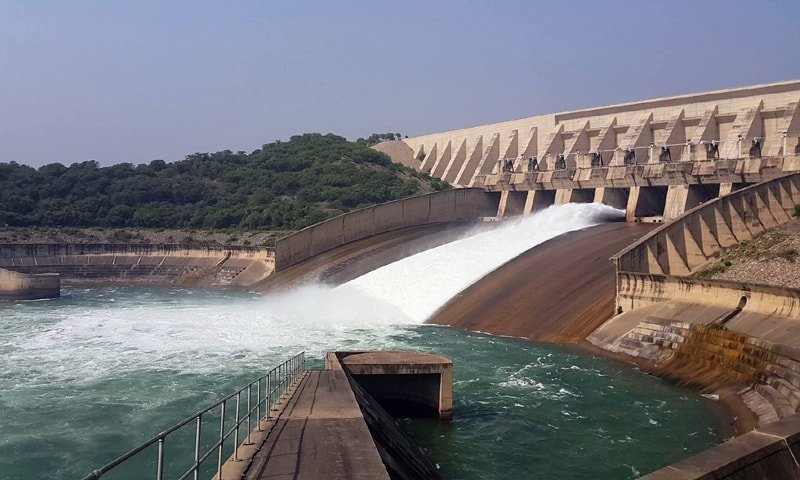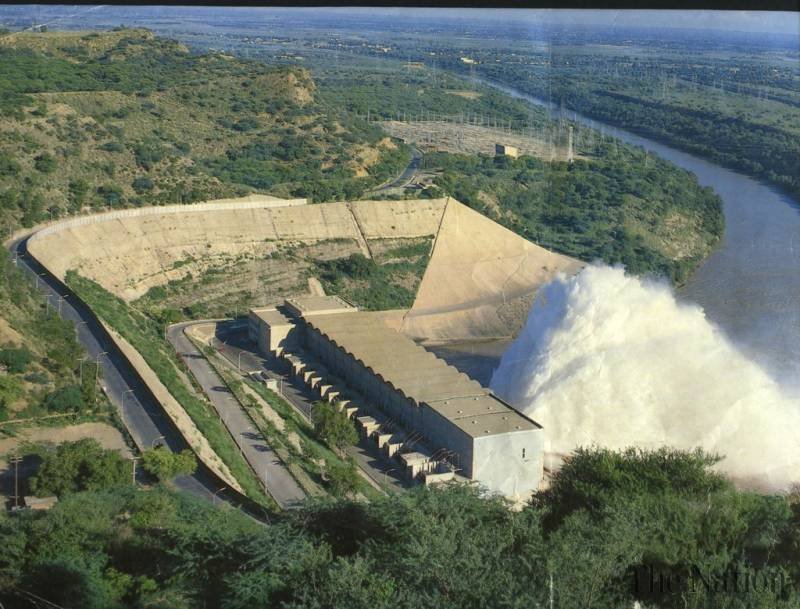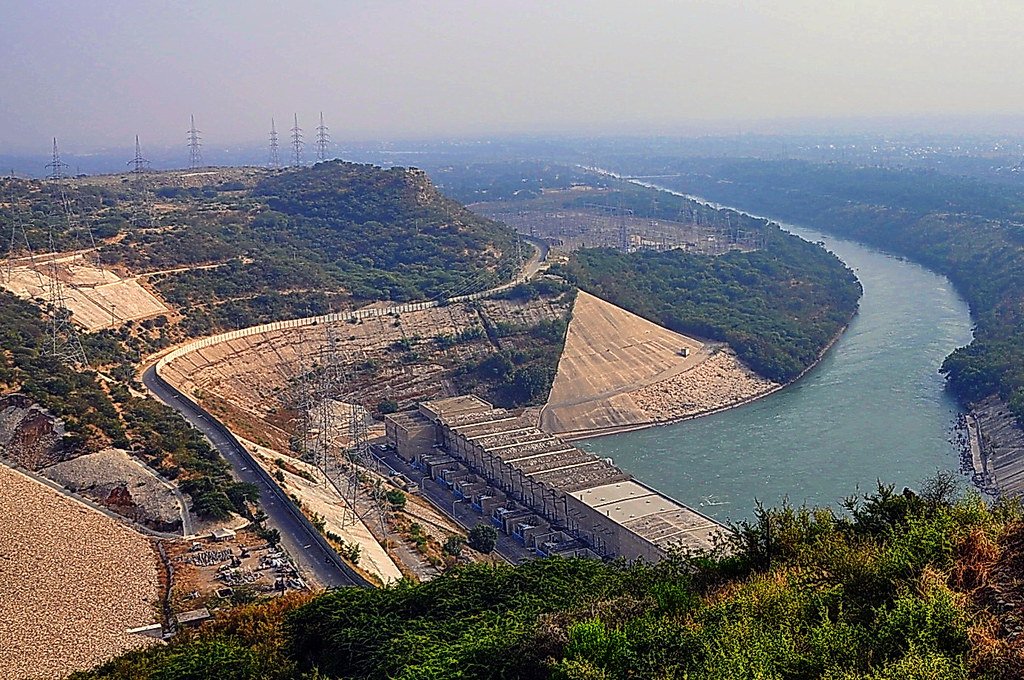
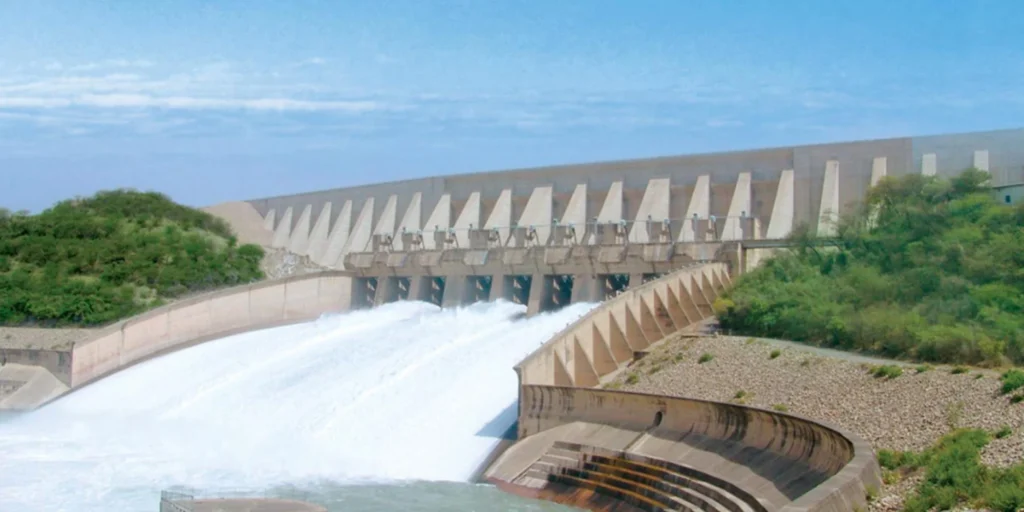
Mangla Dam is a major multipurpose water resource and hydropower project constructed on the River Jhelum near Mangla, located about 30 kilometers upstream of Jhelum city and approximately 120 kilometers from Islamabad. The project was conceived in the 1950s, and its feasibility studies were completed in 1958. It was later included in the Indus Basin Project as part of Pakistan’s replacement works under the Indus Waters Treaty framework.
Construction of Mangla Dam started in 1962 and was completed in 1967. The project was developed to store water for irrigation, regulate flood flows and generate hydroelectric power. To regain reservoir capacity lost due to sedimentation and to enhance irrigation and power benefits, the height of the dam was raised by 30 feet from 1234 feet to 1264 feet. This raised additional storage capacity of 2.88-million-acre feet and increased annual power generation by approximately 644 gigawatt hours per annum.